
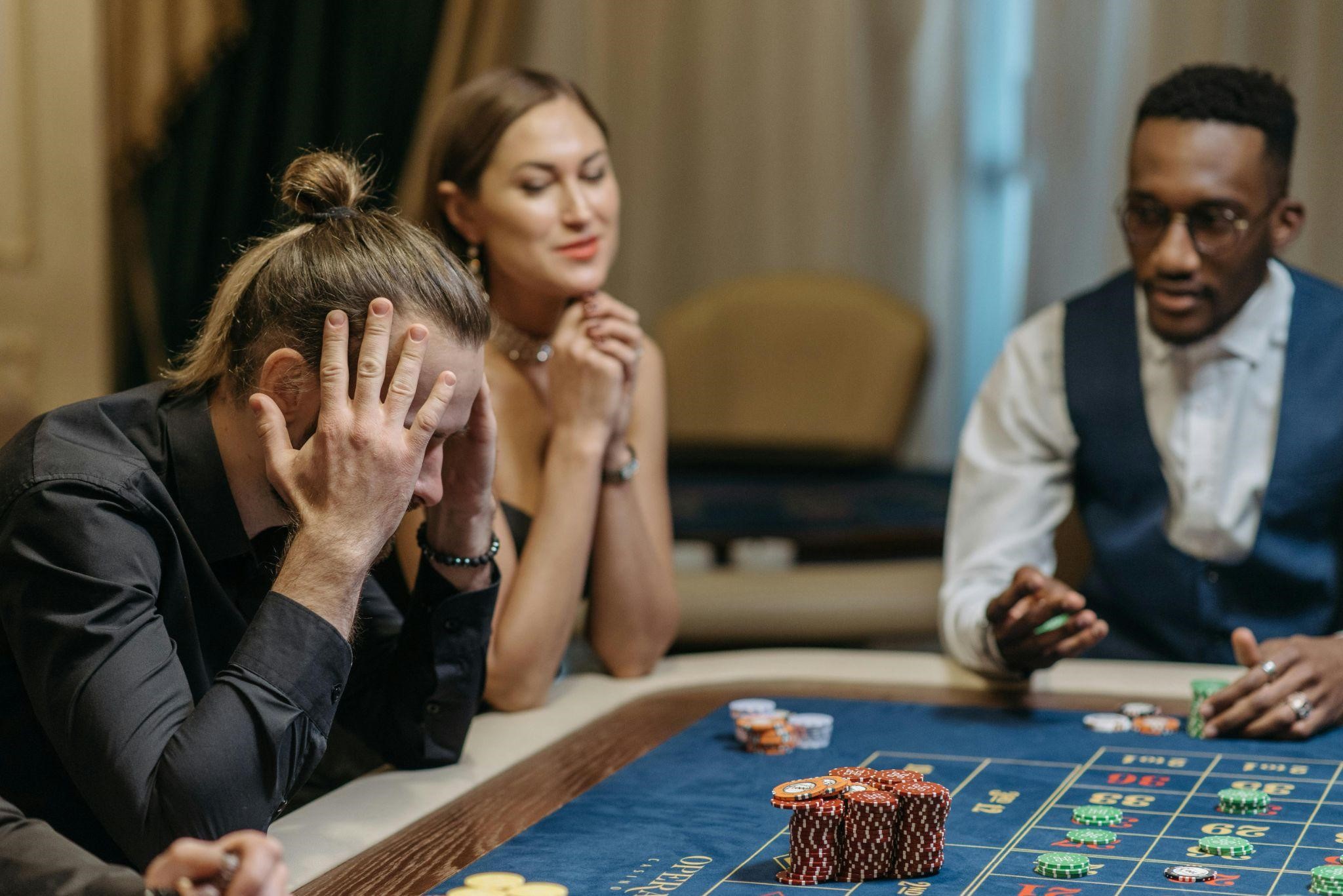
Most gamblers do not start with plans to lose. They start with a story. A friend hit a streak. A clip went viral. A casino floor felt alive at midnight. The promise is simple and quiet. Play smart, keep control, walk away up. That promise stays believable because early wins happen. Small wins land often enough to feel earned. The loss comes later, after habits form and expectations harden.
The house edge is not a rumor
Casinos price every game with a margin. That margin sits inside the rules, not the marketing. Roulette has a zero or double zero. Slots hide the edge in payout tables. Blackjack pays less than it once did at many tables. Over time, those fractions add up. They do not rush. They wait. Many players think skill cancels the edge. In practice, skill trims losses in a few games and does nothing in most.
Short runs feel fair, long runs do not
Human memory favors streaks. A hot night feels like proof. A cold stretch feels unlucky. The math cares only about volume. Ten hands of blackjack can favor anyone. Ten thousand hands do not. Losses arrive slowly, which keeps hope alive. By the time the pattern shows, bankrolls are thinner and habits are set.
The illusion of control keeps bets alive
People like choices. Hold or hit. Red or black. Bet more or less. Those choices feel active, so outcomes feel earned. That feeling matters more than accuracy. Games with visible decisions keep players engaged even when choices barely change results. Slot buttons give the same feeling. Pressing something feels like steering, even when the machine decides the result before the reels stop.
Payouts are rare, memories are sharp
Casinos pay often enough to train attention. A small win flashes lights and sound. A loss fades quietly. Brains learn from contrast. Wins get stored with color and sound. Losses blur together. Over time, people recall wins as common and losses as background noise. That skewed memory feeds longer sessions and higher bets.
The cost of time gets ignored
Money leaves in chips, credits, or numbers on a screen. Time leaves quietly. Hours at a table carry a cost even when the bankroll looks stable. Every minute increases exposure to the edge. People count sessions, not hours. A player who visits twice a week for years pays the edge again and again, even with careful limits.
Bonuses do not change the ending
Free spins and match offers feel like protection. They soften the first losses and delay the sting. They do not erase the edge. They move it. Wagering rules push play volume higher, which gives the edge more room to work. Many players chase these offers across sites, including places listed at https://www.casinoranking.lv/real-money-casinos/. The result is more time in action, not a better chance.
Skill has a ceiling in most games
A few games reward study. Poker pits players against players, not the house, after fees. Sports betting rewards pricing discipline. Even there, limits exist. Fees, limits, and faster markets cut into gains. In house games, skill peaks quickly. Basic blackjack strategy stops bad mistakes, then the ceiling hits. The edge remains.
Emotional decisions leak money
Losses trigger chasing. Wins trigger confidence. Both change bet size. Casinos encourage this swing with table limits and fast play. After a loss, many players bet bigger to feel even. After a win, many press to feel smart. Both moves increase variance and exposure. Calm play sounds easy and feels rare in a loud room.
Systems feel smart until they do not
Progressions promise order. Double after a loss. Reset after a win. These systems feel neat and logical. They break when limits appear or streaks last longer than expected. A long run of losses hits table caps or bankroll caps. When that happens, the system fails all at once. The memory of many small wins hides the cost of one large failure.
Access makes restraint harder
Phones put casinos in pockets. Sessions start anywhere and stretch longer than planned. Friction matters. When play requires travel and cash, pauses happen. When play starts with a tap, pauses shrink. The easier it is to play, the more often the edge gets its turn. Convenience works for the house.
The quiet grind outlasts excitement
Most losses are not dramatic. They arrive as small drips. A night that ends close to even. A week that feels fine. A year that ends down. People notice big swings and ignore slow drains. Casinos design for the long view. They do not need players to lose fast. They need them to stay.
Why people keep believing anyway
Hope is durable. Stories of winners circulate more than stories of steady loss. Many people treat gambling as entertainment and accept the cost. Trouble starts when entertainment becomes income in the mind. Once that switch flips, discipline bends. The edge does not care why someone plays. It waits.
What actually changes outcomes
Nothing dramatic. Short sessions reduce exposure. Flat bets limit swings. Clear budgets cap damage. Walking away after wins feels unnatural but helps. None of these flip the math. They slow the drain. Many players ignore these steps because they want the promise back. The promise rarely returns.
The long view most players avoid
Most gamblers lose in the long run because the games are built that way and people play longer than they think. The losses do not arrive with alarms. They arrive with comfort and routine. By the time patterns feel clear, habits are deep. That is not a moral failure or a lack of intelligence. It is a predictable result of design meeting human behavior.